Does Insurance Cover Water Extraction? 5 Things That Decide It
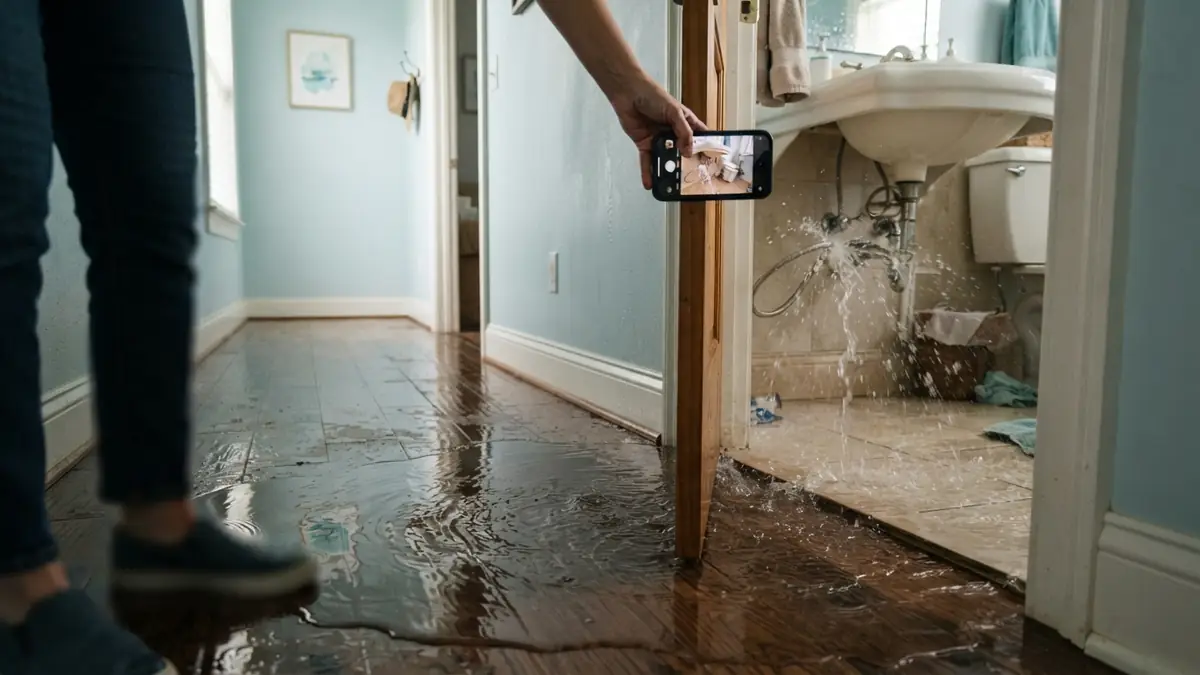
Often, yes, when the water came from a sudden, accidental event inside the house, like a burst pipe or a failed supply line. Often no, when it came in from outside or built up slowly. Most of the disputes homeowners describe online sit somewhere between those two.
This is general information, not advice on your policy. Your policy wording and your adjuster decide. These five things are what usually settle it.
1. Sudden or gradual
Homeowners policies are generally written to cover sudden and accidental discharge of water, such as a pipe that bursts or a supply line that lets go. Damage from constant or repeated leakage, like a drip under a sink that went on for months, is a common exclusion.
When you report it, describe what happened and when you found it plainly and accurately. Guessing at gallons or minutes does not help anyone, and neither does anything that is not true.
2. Where the water came from
Water that comes from inside the house, such as a burst pipe, a washer hose, a failed water heater or an overflowing toilet, is usually looked at under the homeowners policy. Floodwater from outside is a different thing: standard policies commonly exclude it, and it is covered by a separate flood policy if you have one.
Two sources catch people out. A sump pump failure and a sewer backup often need their own add-on to the policy, and a lot of people find out they do not have it, or do not have enough, only after the basement fills. It is worth checking before the next storm.
3. Your duty to limit the damage
Policies expect you to stop the source and start drying. One owner was told by their insurer that stopping the leak and using fans to clear the water was the owner's job. Waiting days for approval while water sits can turn a clean-water loss into a mold problem, and that is harder to sort out later.
You can generally use the extraction company you choose. Some insurers also run programs that send a company for you. Either way, get the scope in writing.
If the insurer sends a company through one of its programs, the work and the paperwork may run directly between the company and the insurer. Owners in that position say it pays to ask for copies of the scope, the photos and the readings as the job goes, so you are not left out of the loop.
4. What you can show
Photograph everything before it is moved: the water, the source, the damaged materials and belongings. Keep a list of what is thrown out, save receipts, and log the hours you spend on cleanup yourself. One family that did its own basement cleanup after a hurricane was paid for the labor they put in.
Ask the crew for its moisture readings, photos and drying log at the end. Adjusters review that record, and it shows why each piece of equipment was there and for how long. A crew that documents every reading makes that part easier.
5. Your deductible against the size of the job
A small leak confined to one room lands at an estimated $300 to $1,200, which may sit close to or under your deductible. Most leaks that need extraction and several days of drying come to an estimated $1,200 to $4,000, and a big loss or a dirty-water job can reach an estimated $4,000 to $12,000. Knowing the scope first helps you decide whether a claim makes sense.
The guide to water extraction cost explains what moves a job between those ranges.
Renters, condos and the unit upstairs
If you rent, the property owner's policy generally covers the building and the landlord's damage, and a renter's policy covers your belongings. In a condo, the association's policy and your own unit policy usually split the building between them, so check where the line falls before a leak from upstairs turns into an argument between neighbors.
Working with a crew while a claim is open
Drying does not have to wait for an adjuster's visit; photos and readings record what was there. Ask for a written scope, the equipment count and the planned readings up front, and an itemized invoice at the end. If the category of water is in question, the guide to clean, gray and black water explains how it is decided.
Quick answers
Does insurance pay for water restoration?
Usually, when the water came from a sudden, accidental event inside the home and you acted quickly. Gradual leaks, outside floodwater and, without the right add-on, sump pump failures and sewer backups are common exclusions.
Will homeowners insurance cover a flooded basement?
It depends on the source. A burst pipe or a failed water heater is often covered. Rising water from outside usually needs a flood policy, and a sump pump failure or sewer backup often needs its own add-on.
Will home insurance cover water damage from a water heater?
A tank that suddenly fails is commonly treated as sudden and accidental, so the water damage is often covered. The worn-out heater itself often is not.
Will insurance pay for water damage to a wood floor?
If the water came from a covered event, damage to the floor is usually part of the claim. Keep photos, a sample of the damaged boards and the readings until the adjuster has seen them.
Water still on the floor?
A local crew can pump it out, extract the floors and price the drying in writing.