How Quickly Can Mold Grow After a Leak? 5 Things That Speed It Up
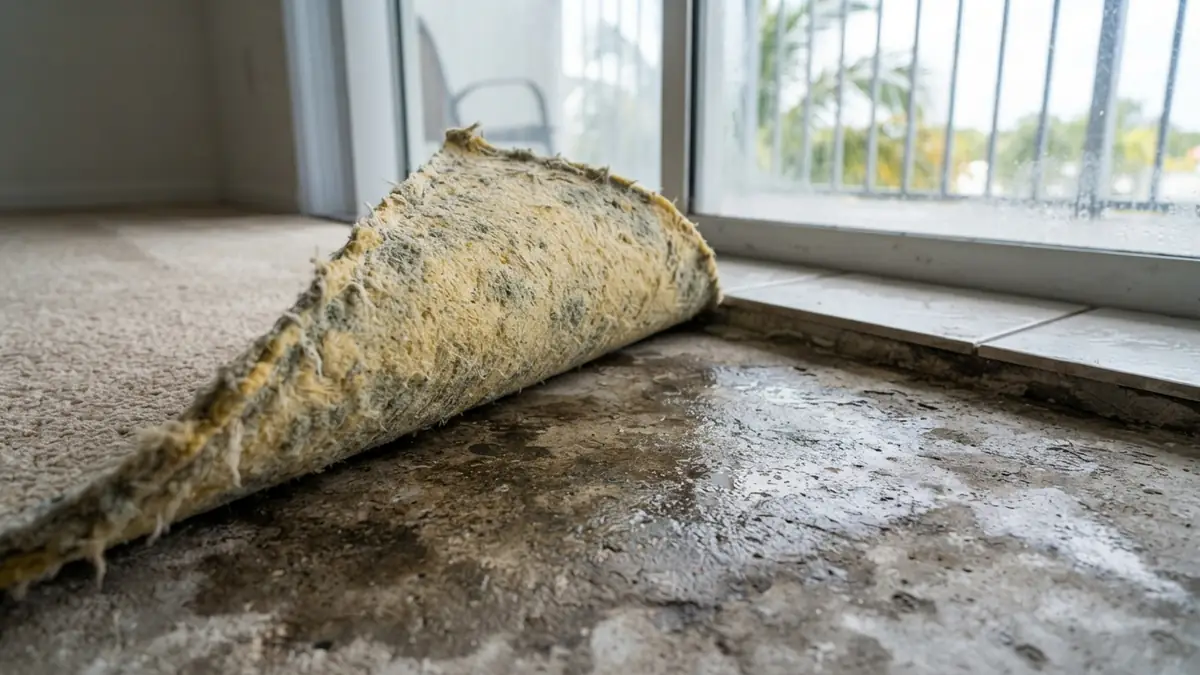
The figure you will hear most is 24 to 48 hours. That is the window in which wet carpet, pad, drywall and wood can start growing mold, and some put the start as early as 24 hours. It is not a countdown to disaster, but it is the reason extraction and drying are treated as urgent.
Five things decide whether a wet room stays clean or starts to smell. Every one of them comes down to how quickly the water leaves the materials, which is why getting the water out the same day matters more than anything you do afterward.
1. How long things stay wet
A clean-water leak that is extracted and dried within the first day rarely grows anything. The same leak found after three days away, with the carpet soaked the whole time, is a different situation. The clock starts when the water arrives, not when someone notices it.
Technicians say the same from the other side: when they reach a clean-water loss the same day, they can usually save most of what got wet. Speed is the one factor you control completely.
2. What got wet
Mold needs something to feed on. Carpet pad, the paper on drywall, wood, cardboard boxes and fabric give it that. Tile, sealed concrete and vinyl give it little, though dirt and soap film on them can. That is why a soaked pad or a wet box of papers is a bigger worry than a wet tile floor.
Stored things count too. A basement full of cardboard boxes, books and old rugs gives mold plenty to start on, so getting wet contents out of the room is part of drying it, not a separate chore.
3. The humidity in the room
Drying stalls in damp air, and damp air keeps materials wet. Bringing relative humidity under 50 percent with a dehumidifier, and keeping it there, takes away the conditions mold needs. A closed-up house in a humid climate with no dehumidifier running is the fastest way to get growth.
A cheap hygrometer is worth having for this. It shows whether the dehumidifier is keeping up, and it tells you on day two, not day ten, that the room needs more drying power.
4. Dirty water
Gray water from appliances and black water from sewage or outside floodwater carry organic matter and bacteria with them. Any water intrusion involving gray water needs attention inside that same 24 to 48 hour window, and black water is handled by removing what it soaked. Drying alone is not enough with dirty water: surfaces are cleaned and disinfected first, because drying contaminated material only leaves the contamination in place, dry. The guide to water categories covers what each one means.
5. Water nobody can see
The places that grow mold first are the ones that stay wet out of sight: the bottom of the pad, behind baseboards, under cabinets, inside the wall and under a tub. One homeowner drying a flooded basement pulled out a bathtub and found fresh growth underneath that had started since the flood.
A musty smell that comes back after the room looks dry usually means one of these spots is still wet. The guide to wet drywall shows how walls are checked.
Cabinets are a common blind spot. Taking off the kick plates at the bottom, drilling a few holes behind them and blowing air into the space underneath lets the cabinet base dry instead of holding water against the floor.
If you already see spots
Do not point fans at visible growth or discoloration. Blowing air across it can lift spores into the air and into the heating and cooling system. Run a dehumidifier instead, keep the area closed off, and have it looked at before anything is disturbed. Drying still matters, but the approach changes once growth is there.
Signs drying is working, or is not
Working: readings falling each day toward the dry reference, the smell fading, materials staying firm. Not working: a musty smell that lingers after days of fans and a dehumidifier, stains that grow, or readings that stall. That usually means water is trapped under something and has to be opened up.
A quick check you can do yourself: lift a corner of the carpet and smell the pad, and press on the bottom of the drywall near the floor. A sour smell or a soft spot means that area is not done yet.
Quick answers
How fast does mold grow after a water leak?
On wet porous materials, within 24 to 48 hours. Fast extraction and steady drying keep most clean-water leaks from getting there.
How long does it take for mold to grow under wet carpet?
The same 24 to 48 hours, and the pad is where it starts, because it stays wet longest and nobody can see it.
How to tell if water damage is permanent?
Materials that stay soft, swollen, separated or stained after drying, and smells that come back, mean the damage stuck. Readings that reach a dry level and stay there mean it did not.
When should water damage restoration services begin?
As soon as the source is stopped. The same day is best, and inside the 24 to 48 hour window is the goal.
Water still on the floor?
A local crew can pump it out, extract the floors and price the drying in writing.